Reports emerged on Saturday regarding an airstrike near Iran’s Bushehr nuclear facility. The Atomic Energy Organisation of Iran (AEOI) confirmed the incident, stating it resulted in the death of a security guard and damage to a support building. Separately, Russia’s state nuclear corporation, Rosatom, reported the evacuation of 198 workers. Additional alleged strikes on Saturday reportedly targeted a petrochemicals hub, a cement plant, and a trade terminal on the Iran-Iraq border, with one reported fatality.
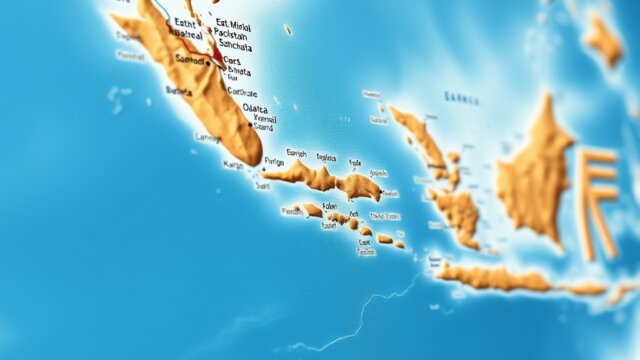
In response to the alleged attacks, Iran’s Foreign Minister, Seyed Abbas Araghchi, attributed them to “Israel-US.” He issued a strong condemnation, drawing comparisons to international concerns over the Zaporizhzhia Nuclear Power Plant in Ukraine and warning that potential radioactive fallout could affect Gulf Cooperation Council (GCC) capitals. An expert identified as Eyre explained that prevailing winds and tidal currents in the Gulf would likely transport any radioactive material westward. Eyre warned that while the concentration might not directly imperil life like Chernobyl, the presence of radioactive material in the water poses a serious threat by precluding desalination, a critical process for regional water supply.
Source: https://www.livemint.com/news/like-chernobyl-why-a-bushehr-nuclear-leak-could-bring-radioactive-tide-in-gulf-nations-first-expert-explains-11775360680752.html
Also read:Anti-drug activist Parvinder Singh Jhota shot dead in Punjab